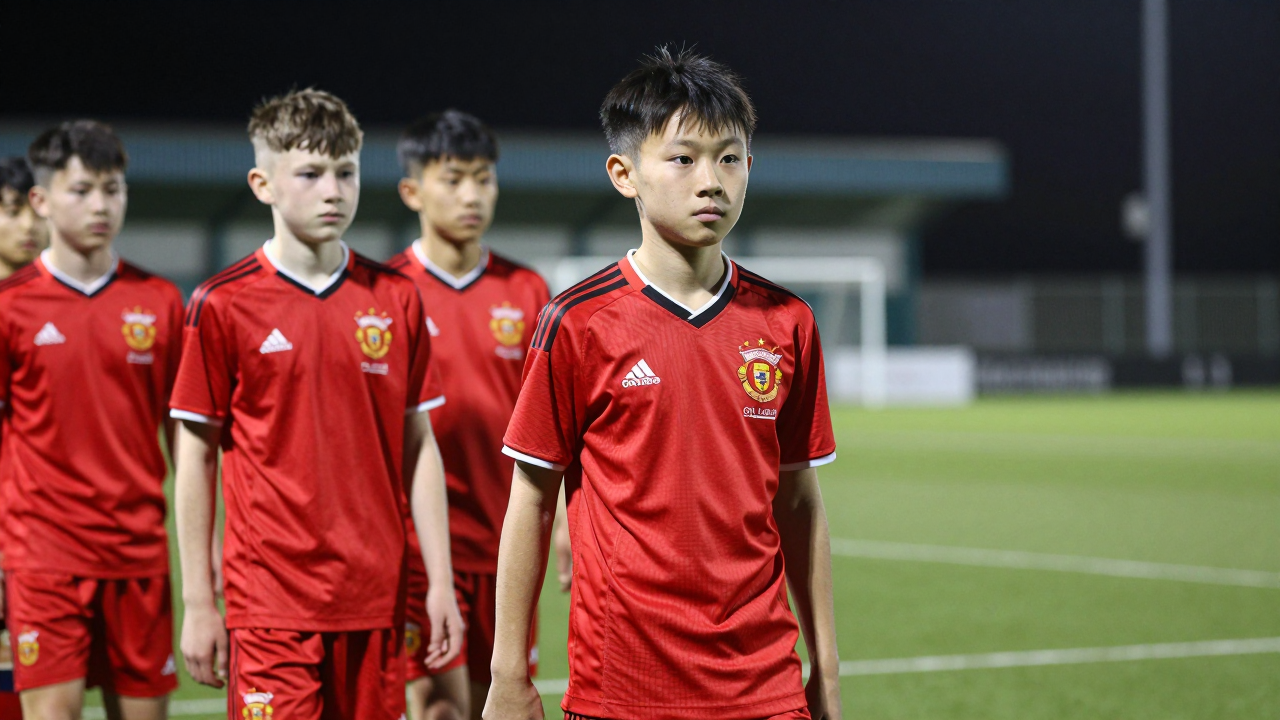

Tactical Tweaks for Cliftonville FC: Capitalizing on Recent Form
Cliftonville FC has shown flashes of brilliance in recent matches, but as the team aims for consistency in the Northern Ireland Premiership, a tactical analysis reveals opportunities for improvement. The Reds have demonstrated a solid defensive structure and effective attacking transitions, yet there’s room for refinement that could enhance their overall performance and results.
Current Tactical Overview
In their recent outings, Cliftonville has typically deployed a 4-2-3-1 formation, with a strong emphasis on maintaining possession and pressing high up the pitch. This system has allowed the team to control the midfield and create scoring opportunities, particularly through quick interplays and overlapping runs from the full-backs. However, against teams that counter quickly, Cliftonville's high defensive line has sometimes left them vulnerable, leading to situations where they concede unnecessary goals.
Suggested Adjustments
1. Adjusting the Defensive Line One of the primary tweaks Cliftonville could consider is slightly dropping the defensive line when facing teams known for their pace on the counter-attack. By allowing the defenders to sit a few yards deeper, The Reds can mitigate the risk of being caught out of position and provide better coverage for their goalkeeper, especially when facing fast wingers or strikers. This adjustment would require a shift in the mindset of the back four, focusing on maintaining a compact shape that can absorb pressure while still allowing for quick transitions into attack.
2. Midfield Rotation and Fluidity Another area for potential improvement lies in the midfield dynamics. Currently, the midfield duo works effectively, but introducing more fluidity and rotation could disrupt the opposition’s defensive structure. Encouraging Adebayo Fapetu and his partner to interchange positions and make forward runs at opportune moments can create overloads in the central areas, allowing for better penetration into the final third. This movement can also draw defenders out of position, creating space for the attacking trio to exploit.
3. Utilizing Width Effectively While Cliftonville has capable wing play, there have been instances where the width has not been fully exploited. Encouraging the wide players to stretch the opposition by hugging the touchline can create gaps in the defense, allowing for cutbacks or diagonal runs from the attacking midfielders. Additionally, the full-backs could be instructed to make overlapping runs more frequently, which would not only support the wingers but also provide additional passing options in the final third.
4. Strategic Substitutions The importance of in-game management cannot be understated, and Cliftonville should focus on making timely substitutions that can shift the momentum of a match. Introducing fresh legs with specific tactical roles-such as a more defensively minded midfielder when leading or a pacey forward when chasing a game-can help maintain control or increase pressure on the opposition. This strategic approach could prove vital in tight matches where every decision counts.
Conclusion
By implementing these tactical tweaks, Cliftonville FC can build on their recent form and address any vulnerabilities that may arise as the season progresses. With the right adjustments, The Reds have the potential to not only secure crucial points in the league but also make a compelling case for themselves as serious contenders in the Northern Ireland Premiership. As fans, we’re eager to see how manager Paddy McLaughlin utilizes his squad’s strengths while addressing these areas for improvement.