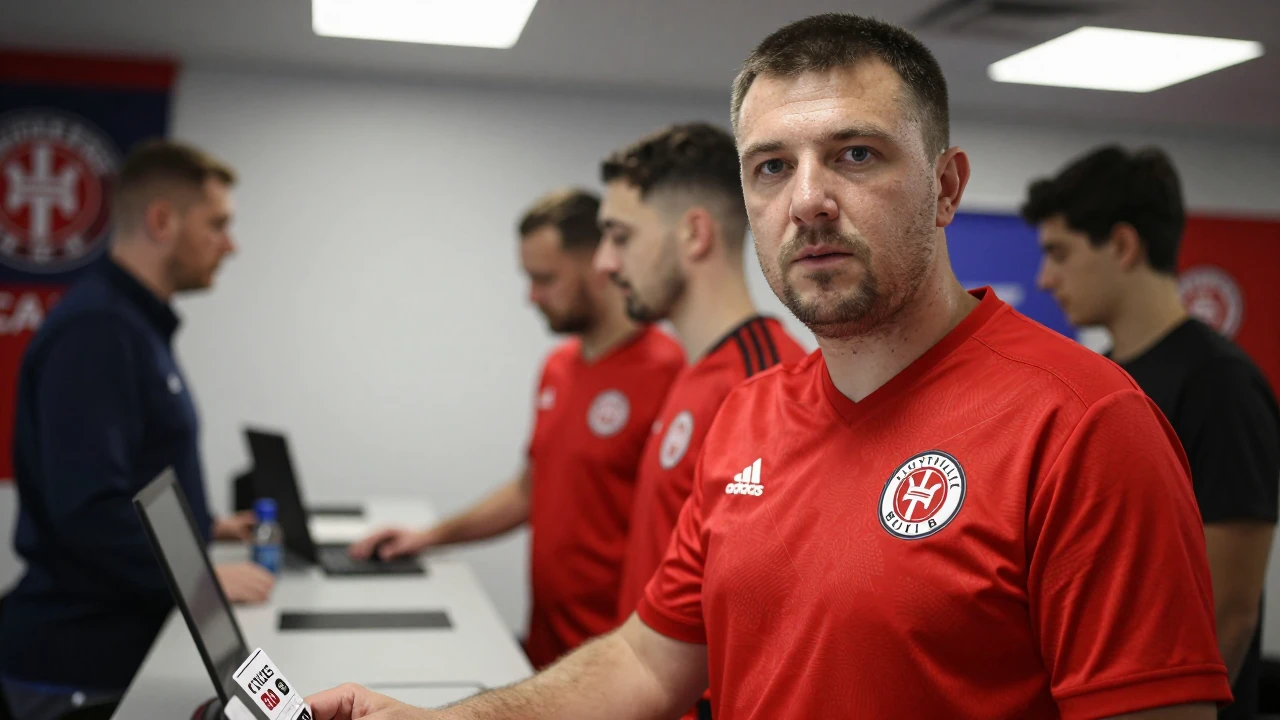

As Cliftonville FC continues to navigate the Northern Ireland Premiership, their recent performances have highlighted both strengths and areas in need of refinement. The Reds have displayed an attacking flair, yet there are tactical tweaks that could enhance their consistency and overall effectiveness as they strive for higher league standings.
Current Tactical Overview
Cliftonville has primarily operated in a 4-2-3-1 formation, which has allowed for a solid midfield presence while enabling quick transitions into attack. This setup has been beneficial in maintaining possession and creating goal-scoring opportunities, particularly through the flanks. Players like Ryan Curran have thrived in this system, utilizing his pace and technical ability to stretch defenses.
However, recent matches have revealed a tendency for the team to become predictable in their attacking movements. The reliance on wide play, while effective at times, has seen defenses adapt and subsequently neutralize Cliftonville’s threats. This has highlighted a need for tactical variation and adaptability in their game plan.
Suggested Tactical Tweaks
1. Implementing a Dual Striker System: A shift to a 4-4-2 formation could allow The Reds to maintain their attacking edge while adding more directness in their play. Pairing Ryan Curran with another forward could create a more dynamic partnership, allowing for better link-up play and alternative attacking options. This could also relieve some pressure off the midfield, enabling them to support the attack more effectively.
2. Increased Central Midfield Activity: While the two holding midfielders have provided defensive stability, encouraging them to push forward more frequently could exploit spaces left by opposing defenses. A more aggressive approach from these players could lead to increased goal-scoring opportunities and lessen dependency on wing play.
3. Enhanced Pressing Strategy: Cliftonville has shown glimpses of a cohesive pressing game, but it requires more consistency. Implementing a high-pressing approach could disrupt the opposition’s build-up play and create more turnovers in dangerous areas. This would not only energize the team but also engage the passionate Solitude crowd, making home matches even more of a fortress.
4. Utilizing Tactical Substitutions Effectively: The importance of substitutions cannot be overstated, especially in tight matches. Cliftonville could benefit from introducing fresh legs earlier in the second half to maintain intensity and exploit tiring opponents. Managers should be prepared to adapt their strategies based on the flow of the game, potentially shifting formations or personnel to maximize impact.
5. Developing Set-Piece Strategies: While the attacking phase is crucial, set-pieces can be a game-changer in tight encounters. Cliftonville should focus on refining their corner and free-kick routines, utilizing their height and physicality to create scoring opportunities. A well-executed set-piece strategy could provide a reliable source of goals, especially in matches where open play becomes challenging.
Conclusion
In the competitive landscape of the Northern Ireland Premiership, Cliftonville FC must remain proactive and strategic in their approach. By implementing these tactical tweaks, The Reds can enhance their effectiveness on the pitch, making them a more formidable opponent as they aim for league success. With the right adjustments, Cliftonville has the potential to not only compete but thrive in their quest for glory.